ItinerariesSep 8, 2026•14 min read
3 Days in London: The Perfect Itinerary
Plan 3 days in London with a realistic day-by-day itinerary covering Westminster, Tower Bridge, Borough Market, the British Museum, and more.
Plan 3 days in London with a realistic day-by-day itinerary covering Westminster, Tower Bridge, Borough Market, the British Museum, and more.
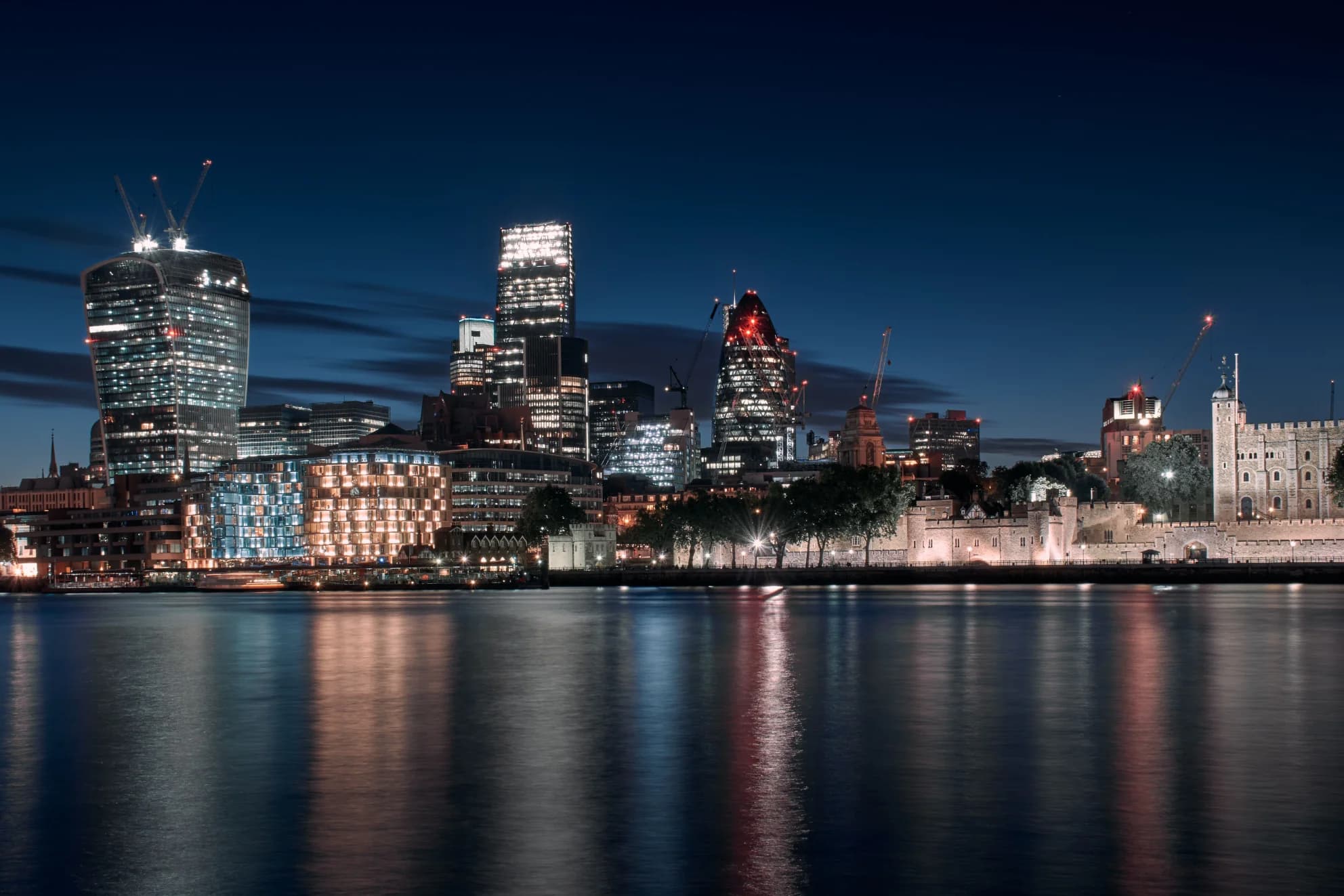
London doesn't do "small." It's a city where a centuries-old fortress sits minutes from modern skyscrapers, and where royal landmarks, neighborhood pubs, world-class museums, markets, and restaurants compete for your attention.
If you're planning 3 days in London, you won't see everything — and you shouldn't try to.
The trick is to group your days intelligently so you spend more time experiencing London and less time crossing the city.
This 3-day London itinerary is designed for first-time visitors who want to see the major sights without treating London like a checklist. We've grouped nearby attractions together, left realistic time for walking and transport, and included options where different travelers may want different experiences.
Planning note: Opening hours, ticket availability, transport services, restaurant availability, and events such as the Changing of the Guard can change. Check official information for your travel dates before booking.

| Day | Area | Key Stops | Evening |
|---|---|---|---|
| 1 | Westminster & West End | Westminster Abbey, Big Ben, Buckingham Palace, Trafalgar Square, Covent Garden | Soho or West End |
| 2 | Tower & South Bank | Tower of London, Tower Bridge, Borough Market, Millennium Bridge, St. Paul's | South Bank or Shoreditch |
| 3 | Museums & Neighborhoods | British Museum, Camden or Notting Hill, Sky Garden | Farewell dinner |
Instead of jumping between opposite sides of London, each day focuses largely on one part of the city.
Day 1 keeps you around Westminster and the West End.
Day 2 follows the Thames from the Tower of London toward the City.
Day 3 is deliberately more flexible so you can choose a neighborhood that matches your interests.
That means less unnecessary transport and more time actually enjoying London.
Start at Westminster Abbey around 9:00 AM and allow roughly 90 minutes for your visit.
The Abbey has been at the center of British royal history for centuries and contains the tombs and memorials of monarchs, scientists, writers, and other major historical figures. If literature interests you, leave some time for Poets' Corner.
When you finish, walk over to Parliament Square, Big Ben, and the Houses of Parliament.
Allow around 20–30 minutes here if you're mainly stopping for photos and views along the Thames.
From Westminster, continue on foot toward St James's Park and Buckingham Palace. The walk itself is part of the experience, taking you through one of London's most recognizable ceremonial areas.
If seeing the Changing of the Guard is important to you, check the official schedule before your trip and organize the morning around it. It does not take place every day, and timings can change.
Don't try to squeeze Westminster Abbey, Big Ben, and the ceremony into an unrealistic fixed schedule.
Why we've grouped these together: Westminster Abbey, Parliament, St James's Park, and Buckingham Palace are close enough to explore as one continuous walking route instead of taking the Tube between each attraction.
Smart Journey Tip: If the Changing of the Guard is a priority, plan Day 1 around the ceremony rather than trying to force it into a packed morning.
After Buckingham Palace, head toward Victoria, St James's, or Soho for lunch.
If you'd like a traditional, no-frills London café experience, Regency Café is one option worth checking out.
Restaurant opening hours and queues can change, so keep a backup nearby rather than building the entire day around one restaurant.
Continue to Trafalgar Square and the National Gallery.
Entry to the main National Gallery collection is free, making it easy to spend an hour seeing a few highlights without committing half your day to a museum.
From Trafalgar Square, walk to Covent Garden rather than taking the Tube. It's roughly a 10–15 minute walk and avoids wasting time going underground for such a short journey.
Spend the rest of the afternoon exploring Covent Garden, its market, surrounding streets, and nearby Neal's Yard.
Why we've grouped these together: Trafalgar Square, Covent Garden, Leicester Square, and Soho form a compact part of central London that is best explored on foot.
Not your kind of day?
A good London itinerary depends on your pace, interests, where you're staying, and how much walking you want to do. Smart Journey can build the days around you instead of making you adapt to a fixed itinerary.
Spend the evening in Soho for dinner and drinks, or book a West End show.
If you're seeing a performance, check the start time before choosing a restaurant. Most theatres are within easy walking distance of Soho, Covent Garden, and Leicester Square.
If you haven't booked a show in advance, you can also check official same-day ticket options when you're in central London.
Day 2 follows the river, which keeps the route simple and avoids repeatedly crossing London.
Arrive at the Tower of London around opening time.
Allow at least two hours if you want to see the Crown Jewels, White Tower, grounds, and join a Yeoman Warder tour.
Getting there early is worthwhile because the Tower is one of London's busiest attractions.
Getting there: Tower Hill station is directly beside the Tower and is served by the District and Circle lines.
From the Tower of London, walk to Tower Bridge.
Crossing the bridge itself is free. If you'd like to visit the exhibition and glass walkways, allow additional time and check ticket availability beforehand.
From here, continue across the river toward Borough Market.
Why this route works: Tower of London → Tower Bridge → Borough Market creates a natural route without backtracking.
Have lunch at Borough Market, where you'll find everything from British classics to international street food.
Rather than relying on one particular stall being open or available, walk around first and choose what looks good that day.
The market can become extremely busy around lunchtime, particularly on weekends.
Smart Journey Tip: If food is an important part of your trip, leave some flexibility here. Borough Market is much more enjoyable when you aren't rushing to your next timed attraction.
After lunch, walk west along the Thames.
You'll pass Shakespeare's Globe and Tate Modern before reaching Millennium Bridge.
Cross the bridge for one of the classic approaches to St. Paul's Cathedral.
If you want to visit the cathedral rather than simply see it from outside, check the day's visiting hours before planning your afternoon. Services and special events can affect sightseeing access.
This part of the itinerary is intentionally walk-heavy because the river itself is one of London's best sightseeing routes.
You now have two good options.
For a relaxed evening: stay near the Thames and walk along the South Bank as London begins to light up.
For restaurants and nightlife: head toward Shoreditch and Spitalfields.
This is also a good point to slow the itinerary down. After a full day of sightseeing, you don't necessarily need another attraction.
Smart Journey Tip: A good itinerary isn't the one with the most stops. It's the one where you still have enough energy to enjoy the last stop of the day.
The first two days cover many of London's major landmarks. Day 3 gives you more freedom.
Start at the British Museum.
The museum is enormous, so don't try to see everything. Around two hours is enough for most first-time visitors who want to see selected highlights without spending the entire day indoors.
Entry to the permanent collection is generally free, although special exhibitions may require tickets.
This is where a personalized itinerary starts to make more sense than a universal one.
Choose Camden if you like:
Take the Northern line toward Camden Town and spend a few hours exploring the market and surrounding streets.
Choose Notting Hill if you prefer:
The character of Portobello Road can vary considerably depending on the day, so check what's happening during your visit.
This is one of the problems with rigid itineraries.
Two people can both be visiting London for the first time and want completely different third days.
Someone interested in food and music might love Camden. Someone interested in architecture, photography, and cafés may enjoy Notting Hill much more.
Neither is the "correct" London itinerary.
If you want a panoramic view before leaving London, consider booking the Sky Garden.
Free visitor slots are limited and should be reserved through the official booking system when available.
Because availability changes, treat this as an optional stop rather than allowing it to dictate your entire day.
If you can't get a slot, don't worry — London has plenty of other viewpoints and riverside locations.
For your last evening, choose the area based on where Day 3 takes you rather than crossing London simply because an itinerary tells you to eat at a particular restaurant.
If you're already around the City, Borough Market, Soho, Shoreditch, or another neighborhood you enjoyed during the trip, staying nearby usually makes for a better final evening.
This itinerary assumes you're a first-time visitor who wants a mixture of London's major landmarks, food, neighborhoods, and culture.
But perhaps you:
Your itinerary shouldn't be identical to everyone else's.
Tell Smart Journey your dates, interests, pace, and travel preferences and get a London itinerary built around the way you actually want to travel.
Create my London journeyWhere you stay can significantly change how convenient this itinerary feels.
A practical choice if transport connections matter most. King's Cross and St Pancras provide extensive Underground, national rail, and international rail connections.
A good option for travelers who prefer a quieter residential feel while remaining well connected to central London and major museums.
Excellent if your priority is being within walking distance of restaurants, theatres, nightlife, and many central attractions.
The trade-off is that highly central accommodation can be expensive and busy.
Best Boutique Hotels in London: Where to Stay for a Unique Experience
For many visitors, paying with a contactless bank card or compatible mobile wallet is the simplest way to use London's public transport.
Oyster cards remain another option.
Fare rules and caps can change, and overseas cards may have foreign transaction fees, so check current Transport for London information before your trip.
One important rule: use the same card or device when touching in and out so the system can calculate your journey correctly.
Central London is surprisingly walkable.
Some attractions that look like separate stops on a Tube map are only a short walk apart.
That's why this itinerary connects places such as:
Westminster → St James's → Buckingham Palace
Trafalgar Square → Covent Garden → Soho
Tower of London → Tower Bridge → Borough Market
Borough Market → Tate Modern → Millennium Bridge → St. Paul's
Good route planning can save as much time as choosing the fastest train.
The Elizabeth line and Piccadilly line both connect Heathrow with London, serving different areas and offering different journey times and prices.
Choose based on where you're staying rather than automatically selecting one airport-transfer option.
For Gatwick, Stansted, Luton, or London City Airport, check the best connection for your specific accommodation.
There's no single perfect month.
Spring brings longer days and generally pleasant sightseeing weather.
Summer gives you long daylight hours but also larger crowds and often higher accommodation prices.
Autumn can be excellent for sightseeing as peak summer demand eases.
Winter means shorter days and colder weather, but Christmas and New Year give central London a very different atmosphere.
Whatever the season, bring comfortable shoes and prepare for changing weather.
London can be expensive, but the amount you spend varies enormously depending on accommodation, restaurants, paid attractions, nightlife, and how many free activities you choose.
Instead of relying on a fixed daily figure, divide your budget into:
London also has a major advantage for budget-conscious travelers: many world-class museums and galleries have free permanent collections.
For current admission prices and transport fares, check the official attraction and Transport for London websites before your trip.
Three days is enough for a first introduction to London. You can see several major landmarks, visit a museum or two, explore different neighborhoods, and enjoy the city's food and nightlife.
You won't see everything — but that's better than rushing across the city trying to do so.
For a classic first visit, Westminster, Buckingham Palace, the Tower of London, Tower Bridge, and at least one major museum provide a good introduction.
After that, choose neighborhoods and activities according to your interests.
Use a combination of walking and public transport.
The Tube is excellent for longer journeys, but walking is often better when attractions are close together.
For popular paid attractions and experiences, booking ahead can save time and sometimes be essential.
Always check the official website for your travel date rather than relying on a static itinerary for current opening hours or availability.
For many visitors, contactless payment is the simplest option. Oyster can still make sense in some circumstances.
Check current Transport for London fares and payment guidance before traveling.
London is heavily oriented toward card and contactless payments. Carrying a small backup amount can still be useful, but most everyday purchases can be made without cash.
The biggest mistake is choosing attractions individually without considering where they are.
Group nearby places together first, then decide how much you realistically want to fit into each day.
That's exactly how this itinerary has been organized.
The best 3-day London itinerary isn't the one that squeezes in the greatest number of attractions.
It's the one that makes sense geographically, matches your interests, and leaves enough space to actually experience London.
For a first visit, this route gives you royal London and the West End on Day 1, the Tower and Thames on Day 2, and enough flexibility on Day 3 to make the trip feel more like your own.
And that's the important part: use this itinerary as a starting point, not a set of instructions you have to follow.
If you travel faster, slower, with children, for food, for history, for nightlife, or with completely different priorities, your route should change with you.
Choose what matters to you and let Smart Journey turn it into a personalized day-by-day trip.
Plan my London trip